
How do you set up an urban vegetable garden in Geneva?
Practical tips for creating urban vegetable gardens in Geneva.
It was driven out of the cities, but it is making a triumphant return! At the foot of blocks of flats, on balconies, in parks and communal gardens, urban vegetable gardening is enjoying growing popularity. It allows people to enjoy high-quality produce, reconnect with nature, forge social bonds and do their bit for the environment. The vegetable patch is becoming a common feature on terraces and can even form part of your garden furniture, creating a genuine space for relaxation and socialising in the open air.
Fancy getting your – green – hands dirty?
The world’s urban population is skyrocketing. According to United Nations figures, since 2010, the number of city dwellers has exceeded that of people living in rural areas. In 2024, more than 57 per cent of the world’s population lived in towns and cities. This figure is expected to rise to over 68 per cent by 2050.
Switzerland is no exception to this trend. A century ago, a third of the population lived in urban areas, compared with three-quarters today, according to the 85th edition of the yearbook ‘Statistics of Swiss Cities’, published in 2024. Against this backdrop, urban agriculture helps to ease the pressure on cities.
The aims are to develop sustainable cities and communities, to consume and produce responsibly, to combat climate change and to promote biodiversity.
But that is not all, as gardening is also a pleasure, an opportunity to meet other enthusiasts, to pass on knowledge and to combat the stresses of modern life.
According to a study published in 2023 in the scientific journal *The Lancet Planetary Health*, the benefits of gardening are proven. It helps improve diet, increase physical activity and reduce stress and anxiety.
The urban vegetable garden is a versatile solution capable of meeting all these needs. Tomato plants on a balcony, potato patches in the courtyard of a block of flats or a large vegetable patch covering several square metres in a park… Anything is possible! So why wait? Now is the time to awaken the gardener slumbering within every city-dweller.
Setting up a community vegetable garden
Every morning, on your way to work, does that unused patch of grass on the corner catch your eye? It would be ideal for creating a garden. But how do you go about it? Here are the main steps to follow.
Identify the owner of the plot
For example, by checking the details of the plot in question on the Geneva Territorial Information System (SITG) website. The land may belong to a private or public entity, such as the City, the State of Geneva or the local council.
- If the land is privately owned, the request must be addressed to the owner, preferably on behalf of a group or an association.
- If the land belongs to the State of Geneva, you must contact the canton via the ‘Nature in the City’ programme.
- If the plot is owned by the City of Geneva, a specific application must be submitted.
Setting up an association or collective
Putting together an application
- A comprehensive development plan for the desired space: area, type of planting (planters or in the ground), proposed infrastructure (light-duty only), and any other relevant information to be included on the plan.
- A detailed description of the layout of the plantings/vegetable plots: cultivation methods, crops planned, information on the location and planned facilities, etc.
- A detailed description of the stakeholders and users: name of the organisation leading the project, people envisaged to plant and cultivate, local community members involved, beneficiaries.
- Terms and conditions of use.
- Where applicable, a financial plan or budget.
The City now guarantees a processing time for applications. If the application is submitted before 30 September, the project can start the following spring.
Getting help
Organisations such as Genève Cultive (https://genevecultive.ch/) support urban farming projects. These might include, for example, the early stages of a collective, a garden or an innovative idea. Depending on the organisation, initial advice is free of charge.
Community vegetable gardens: the example of the Jardin Blanc
Over the past twenty years or so, nearly 80 community projects have been set up, with strong support from the City of Geneva, which makes land on both private and public property available to urban gardeners.
The latest project is the vegetable garden in Bertrand Park. It has been named ‘Le jardin blanc’ (The White Garden) in reference to the garden created by Madame Bertrand, the wife of the photographer and explorer Alfred Bertrand, whose family owned the estate in the 19th century. She donated it to the City of Geneva in 1940.
Opened in 2024, the vegetable garden covers a cultivable area of 255 m², divided into plots. Vivien Villard, chair of the association ‘Le cardon enchanté’, a collective of local residents behind the vegetable garden, explains: ‘This project was initiated by Alfonso Gomez, the former mayor of Geneva. Flyers were distributed in blocks of flats in the Champel neighbourhood. The first public meetings took place in 2022. It then took six months to set up the association, which was established in 2023. ”
“Le cardon enchanté” stands out from other associations due to its holocratic organisation – a flat, leaderless governance structure. This decision was made in consultation with the City of Geneva to ensure the project’s long-term sustainability. “The City has identified a structural problem within several associations. This has an impact on the project, which tends to falter after two or three years. With our way of operating, all members have the same status and everyone is committed, which guarantees the project’s sustainability.”
In collaboration with the organisations
For Vivien Villard, the administrative side of things should not be underestimated: “We had four-hour meetings almost every Saturday to set up the association and draft the documents and articles of association. It took six months, and we were supported by the City Council and the Graine de carotte association.”
Juliette Perréard, chair of Genève cultive, explains: “ We support the launch of a collective, a garden or an innovative idea related to urban agriculture. For example, we can help residents find plots of land to cultivate, direct them towards the various services or specialists, and also support them throughout the development of their project. ” Urban agriculture helps to create a pleasant living environment within a block of flats and encourages interaction between residents. A garden can even be an added bonus when letting a property.
And the good news is: urban farming doesn’t necessarily mean breaking the bank. “It all depends on the project,” explains Juliette Perréard. “For example, you should budget 400 francs per planter in a block of flats’ courtyard. In the case of a collective, each member can pay 50 francs, which covers the cost of basic supplies such as tools and seeds. Sometimes property management companies also contribute to the project, on average up to 2,000 francs.”
Some local authorities also provide grants towards the purchase of equipment such as planters, seeds and gardening tools.

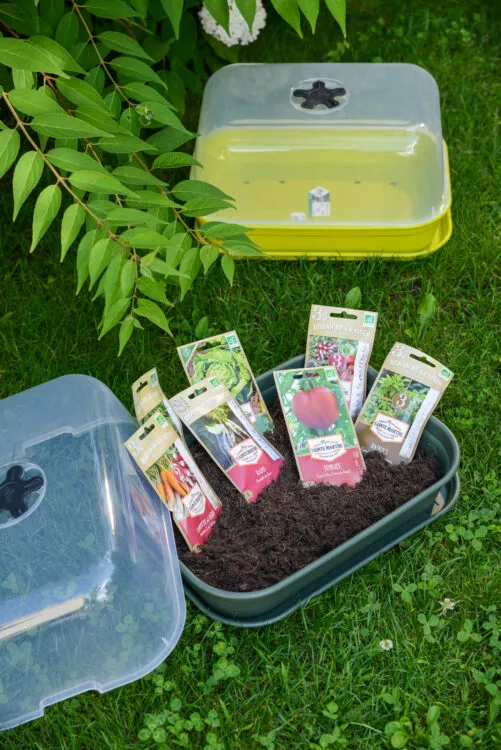
Courgettes, lettuces and more: long live permaculture!
Whether it’s large communal vegetable gardens, private gardens or tiny urban balconies… permaculture is the trend to follow. This approach was developed in the 1970s by the Australian researcher Bill Mollison. The concept is based on three pillars: caring for the earth, caring for people, and sharing the surplus. It is a vision that goes beyond simple gardening to become a way of life.
In the garden, permaculture is a gentle way of growing produce, free from pesticides and chemical fertilisers, resulting in healthy and flavourful fruit and vegetables.
Creating a vegetable garden in the ground or in pots on a balcony is based on a few key principles. Firstly, you need to observe the environment, the sunlight, the soil, and the flora and fauna. Next, it is important to stop tilling the soil and to encourage biodiversity by combining different plant species and practising crop rotation.
Juliette Perréard advises: “For example, you can plant basil at the base of a tomato plant because it repels the aphids that attack it. The idea is to combine species that will protect one another.” Finally, urban gardeners should remember to sow their seeds and mulch the vegetable patch.
So, here are a few practical tips from Schilliger Garden Centre
Start small. It is advisable to start with a small area, so that you can manage it more effectively and learn as you go. Choose plants suited to the climate and soil quality, and seek advice from experts to make the right choices.
To grow vegetables, you can choose between sowing seeds or planting seedlings.
For enthusiasts and beginners, it is recommended to start with seedlings (tomatoes, aubergines, etc.). Certain types of vegetables, such as carrots or radishes, must be sown from seed. François Schilliger, horticultural director at the Garden Centre of the same name, recommends drawing up a planting plan to avoid planting the same vegetables in the same spot year after year.
Crop rotation and companion planting. He therefore advises varying the plants from one year to the next to keep the soil healthy, limit diseases and, consequently, increase productivity. Planting certain crops together can also promote their mutual growth and reduce pests. It is advisable to plant marigolds beneath tomato plants. This is known as companion planting. This method, widely used in organic farming, aims to harness the benefits of different plants by planting them side by side.
Some examples:
Garlic repels insects. It is a good companion for carrots, beetroot, strawberries and tomatoes. Dill protects carrots and cucumbers. Basil repels flies and mosquitoes. It should be planted with tomatoes, asparagus, peppers, chillies and aubergines. Nasturtiums keep stink bugs away from courgettes and pumpkins. They go well with radishes, courgettes, cabbages and tomatoes. Chervil reduces slug infestations. Thyme keeps whiteflies away and protects cabbages and broccoli. Marigolds (tagetes) protect most plants (potatoes, tomatoes, asparagus, beans and cabbages) from insects. Ideally, they should be planted around the edge of the vegetable patch.
Tomatoes can be grown alongside cabbage, marigolds, calendula, cucumber, garlic, chives, basil, lettuce, carrots, asparagus, spinach and New Zealand spinach to encourage healthy growth. Watering and care. Regular and appropriate watering is essential. Observing the plants allows you to meet their specific needs whilst taking weather conditions into account. Adding compost provides an unrivalled source of humus for the garden. If space allows, you should set up a compost bin where all biodegradable green waste can be placed. Once the compost is fully mature (two years or more), it can be worked into the soil in the vegetable patch.
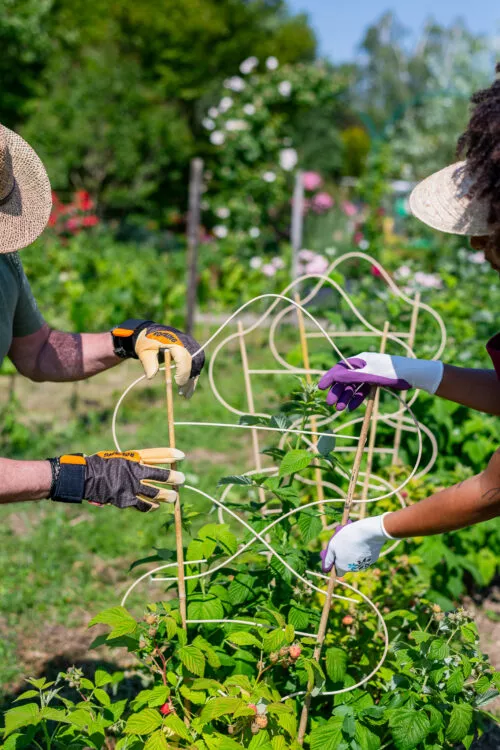
I plant, you plant, we plant…
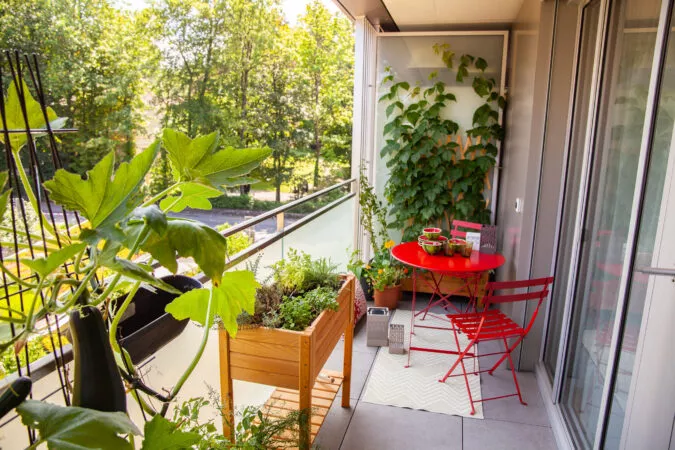
Small but bountiful! The balcony becomes a larder. It’s fitted out with large containers filled with potting compost to minimise watering, planters that hang from the railing, or even wooden raised vegetable beds on stands. There are many advantages to raised containers: no need to bend down to tend to your plants, protection for the balcony floor, more light for your plants and easier movement around the balcony. Place a drainage layer of gravel and clay pellets at the bottom of the containers to help water drain away. Add a geotextile fabric on top to prevent the compost from mixing with the clay pellets or the roots from growing beneath this layer. This method also helps protect terracotta pots from frost. The balcony should receive at least four to six hours of direct sunlight.
Next, all you need to do is plant in a special potting compost for vegetable gardens. For environmental reasons, opt for a compost free from peat and coconut fibre. Cherry tomatoes and herbs are the most popular crops. What’s more, there are numerous preservation techniques to enjoy these crops for several months after harvesting: drying, preserving in oil or simply freezing. Courgettes, radishes, lettuces, aubergines and onions are also popular choices.
When planting in the ground, there are a few basic principles to follow when creating vegetable patches:
- Location
A sunny spot with six to eight hours of direct sunlight a day and no exposure to strong winds. - Soil
Test the soil quality by checking its texture, pH and composition. - Crops
Choose local vegetables suited to the climate. - Seasons
Plan your planting according to harvest times.
Then all that remains is to choose the vegetables – from tomatoes to squash, anything is possible. And don’t be afraid to get creative.
Juliette Perréard explains: “At the Potager des Nations, which is the headquarters of Genève cultive, we’ve successfully grown chillies, for example. However, I wouldn’t recommend carrots. They’re tricky because they require a specific type of soil.”
Flavours of yesteryear
A vegetable garden also helps to revive heritage varieties. The Graine de Carotte association, for example, offers a catalogue worthy of Prévert, featuring nearly a hundred heritage tomato varieties.
ProSpecieRara is also a delight for curious gardeners keen to preserve biodiversity. This foundation, which aims to protect cultivated plants and farm animals threatened with extinction, offers seeds of old local varieties.
Gardeners of the world, unite!
Charities regularly organise events such as plant markets, drinks receptions, talks and workshops. A real treat for urban gardeners! Graine de carotte, for example, offers courses on various topics such as permaculture and grafting techniques for tomatoes and other vegetables.
The organisation also caters for young people, notably by setting up vegetable gardens in schools and running specific workshops open to young people aged 14 and over. On the programme: tree pruning, seed production and the wonderful world of tomatoes.
3, 2, 1… Ready! Go! Off to your vegetable gardens!
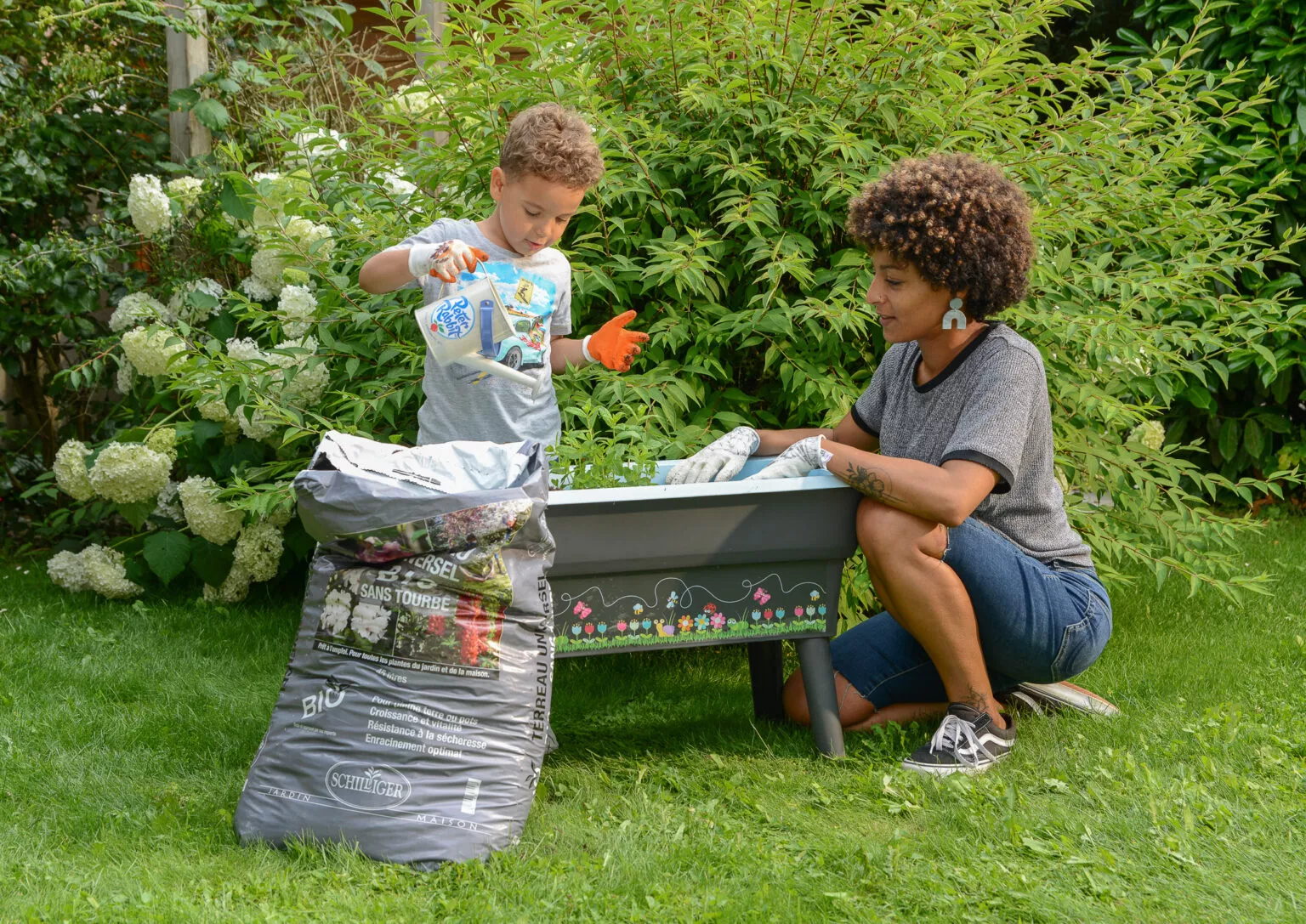
Images: Schilliger Garden Centre and Shutterstock
Are you interested in this article?
Sign up to receive our articles by email
You might also be interested in these articles

Natural household cleaning products – DIY

How can you restore harmony to your home and arrange your bedroom according to Feng Shui principles?